Equipos para la fabricación de elementos prefabricados de concreto: la guía completa del comprador para 2026
El sector de la construcción a nivel mundial está cambiando rápidamente hacia métodos de construcción industrializados fuera de la obra — y en el centro de ese cambio hay un elemento clave: equipos de fabricación de prefabricados de hormigón. Desde extrusoras de paneles de pared hasta líneas de producción de losas alveoladas, esta maquinaria es la que transforma el cemento, la arena y el acero en bruto en los componentes de construcción diseñados con precisión que exigen los contratistas modernos.
Si estás evaluando un línea de producción de concreto prefabricado, comparar proveedores o simplemente tratar de entender cómo funciona un planta de dosificación de concreto prefabricado Si quieres saber cómo integrar esto en una planta de producción rentable, esta guía te explica todo lo que necesitas saber: los tipos de equipo, cómo funciona el proceso, qué debes buscar en un proveedor y el retorno de inversión real que puedes esperar.
¿Qué es el equipo para la fabricación de concreto prefabricado?
Por «equipo de fabricación de concreto prefabricado» se entiende toda la gama de máquinas utilizadas para producir componentes de construcción de concreto —muros, losas, columnas, vigas y bloques— en una entorno industrial controlado en lugar de en una obra en construcción. Los componentes se moldean, se compactan mediante vibración, se curan y se desmoldan en condiciones constantes, y luego se transportan a la obra para su rápida instalación.
Dado que el control de calidad se lleva a cabo en la planta y no en el sitio de obra, la construcción con elementos prefabricados ofrece de manera constante:
- Plazos de ejecución más rápidos (hasta 3 a 5 veces más rápidos que los métodos de hormigonado en sitio)
- Menores costos de mano de obra y menor dependencia de equipos calificados en el lugar de trabajo
- Mayor precisión dimensional y concreto más resistente y denso
- Menos desperdicio de materiales y menores costos de mantenimiento a largo plazo
¿Por qué está creciendo la demanda de equipos para concreto prefabricado?
Varias tendencias están impulsando a los contratistas, desarrolladores y nuevos propietarios de fábricas a invertir en equipos para plantas de concreto prefabricado:
- Urbanización y escasez de viviendas en África, el Sudeste Asiático, el Medio Oriente y América Latina están impulsando la demanda de soluciones de vivienda rápidas y asequibles.
- Escasez de mano de obra en el sector de la construcción están impulsando a los desarrolladores a adoptar métodos de producción automatizados que requieran menos mano de obra.
- Presión en materia de sustentabilidad — Los elementos prefabricados reducen los residuos, el polvo y las emisiones en la obra en comparación con el vertido tradicional.
- Inversión en infraestructura en la construcción de carreteras, muros de contención, sistemas de drenaje e infraestructuras de servicios públicos está ampliando el mercado potencial para la maquinaria de prefabricados.
Principales tipos de equipos para la fabricación de concreto prefabricado
Una planta completa de prefabricados suele combinar varias categorías de máquinas. A continuación, te presentamos un desglose de las principales equipos para prefabricados de hormigón que todo comprador debería entender.
1. Plantas de dosificación y mezcla de concreto
La planta de dosificación es el corazón de cualquier línea de producción de concreto prefabricado. Mide y dosifica automáticamente el cemento, los agregados, el agua y los aditivos, lo que garantiza que cada lote cumpla con las especificaciones exactas de resistencia y consistencia —algo fundamental para reducir el desperdicio y controlar los costos de producción—.
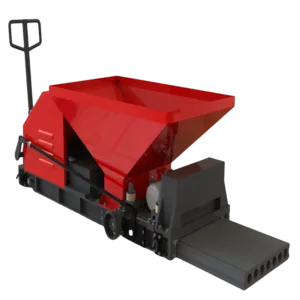
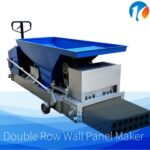
2. Máquinas para paneles de muro prefabricados (extrusoras)
A máquina de paneles prefabricados de hormigón extruye paneles ligeros, ya sean huecos o sólidos, que se utilizan para paredes divisorias, muros perimetrales y viviendas prefabricadas. Las extrusoras modernas admiten múltiples espesores de paneles y pueden funcionar con agentes espumantes para producir paneles de concreto celular ligero de hasta 600 kg/m³ —ideales para mercados que priorizan viviendas de bajo costo y construcción rápida—.
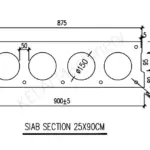
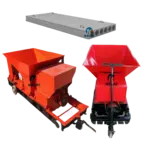
3. Máquinas para la fabricación de losas alveoladas
Máquinas para la fabricación de losas alveolares (también conocidas como máquinas para losas de concreto) producen losas pretensadas para pisos y techos a una velocidad de entre 3 y 5 veces mayor que la de los métodos tradicionales de encofrado, al tiempo que ahorran entre 30 y 50 kg de cemento por metro cúbico. Dos diseños comunes dominan el mercado:
- Extrusoras de empuje – extruir continuamente los lingotes a lo largo de un lecho de fundición de acero
- Máquinas de moldeo – utilizar moldes fijos para dar forma a losas de dimensiones específicas
4. Máquinas para columnas y vigas de concreto
Estas máquinas, que se utilizan para fabricar columnas, vigas y dinteles estructurales, son esenciales para la construcción de estructuras de soporte, cercas, instalaciones agrícolas y muros de contención en autopistas. Las máquinas para columnas de alta precisión reducen la dependencia del encofrado manual y aceleran el ensamblaje estructural en el sitio de obra.
5. Máquinas para tensar alambre de acero pretensado
Hidráulico máquinas tensoras Aplicar una fuerza de pretensado controlada a los cordones de acero antes del moldeo, lo que garantiza una distribución uniforme de la tensión en las losas alveolares, los paneles de pared y las vigas. Este paso es el que le da a los elementos prefabricados pretensados su resistencia superior a la carga y su durabilidad a largo plazo.
6. Sistemas de curado
Las cámaras de curado al vapor o los sistemas de curado acelerado acortan el tiempo de desmoldeo y aumentan la capacidad de producción diaria, lo cual es un factor clave para las fábricas que buscan maximizar la producción por turno.
7. Máquinas para levantar e instalar paneles de pared
Una vez que los paneles salen de la fábrica, las máquinas elevadoras hidráulicas se encargan de una instalación segura y precisa en el lugar de la obra, lo que sustituye a los equipos de varios trabajadores y a las grúas, reduce el tiempo de instalación entre 2 y 4 veces y protege a los paneles de posibles roturas durante su colocación.
8. Moldes, encofrados y sistemas de paletas
Los moldes de acero duraderos determinan la forma final, la textura y la precisión dimensional de los productos prefabricados. Los moldes de aleación altamente resistentes al desgaste prolongan la vida útil del equipo en condiciones de producción industrial las 24 horas del día, los 7 días de la semana.
El proceso de producción de concreto prefabricado, paso a paso
- Diseño de mezclas y dosificación – Las materias primas se dosifican en la planta de dosificación
- Verter – un carrito o una cinta transportadora lleva la mezcla de concreto a la máquina de encofrado
- Extrusión o moldeo y compactación – La vibración elimina las burbujas de aire y compacta la mezcla
- Pretensado (opcional) – los cables de acero se tensan para garantizar la resistencia estructural
- Corte – Los productos se cortan a la longitud requerida
- Curado – El concreto se solidifica a condiciones controladas de temperatura y humedad
- Desmoldeo e inspección de calidad – Se verifica la precisión dimensional de los componentes terminados
- Transporte e instalación – Los paneles, losas y columnas se envían e instalan con equipo de elevación
Características clave que debes tener en cuenta al comprar equipo para concreto prefabricado
No todas las máquinas son iguales. Al comparar proveedores de equipos de fabricación de prefabricados de hormigón, evalúa:
- Nivel de automatización – Una mayor automatización reduce los costos laborales, pero requiere una mayor inversión inicial
- Opciones de personalización – ¿Se puede configurar el equipo según el espesor deseado del panel, la longitud de la losa o la capacidad de producción?
- Calidad de fabricación – Busca aleaciones con alta resistencia al desgaste y sistemas hidráulicos de grado industrial diseñados para funcionamiento continuo
- Eficiencia energética – Un menor consumo de energía mejora directamente tu costo por unidad
- Servicio posventa – La capacitación para la instalación, la disponibilidad de repuestos y el tiempo de respuesta técnica son tan importantes como la máquina en sí misma
- Adecuación al mercado local – Las líneas semiautomáticas (200–500 m²/día) suelen ser la mejor opción en términos de retorno de inversión para mercados con infraestructura eléctrica limitada, como ciertas regiones de África y el sudeste asiático
Beneficios de invertir en equipos para la fabricación de concreto prefabricado
| Beneficio | Impacto |
|---|---|
| Ciclos de construcción más rápidos | Los proyectos se completan con el método 30–60% más rápido que con los métodos de hormigonado in situ |
| Menor consumo de cemento | Ahorra entre 30 y 50 kg de cemento por metro cúbico con las máquinas para losas |
| Menor dependencia de la mano de obra | Se necesitan menos trabajadores calificados en el lugar de trabajo |
| Mayor consistencia del producto | Tolerancias más estrictas en cuanto a dimensiones, resistencia y acabado |
| Menores costos a largo plazo | Menor desperdicio de material y menores costos de mantenimiento a lo largo del ciclo de vida del producto |
Aplicaciones en los mercados de la construcción a nivel mundial
Los equipos para concreto prefabricado son útiles en una amplia variedad de proyectos:
- Proyectos de vivienda residencial y de acceso económico
- Instalaciones industriales y almacenes
- Muros de límite, cercas y estructuras agrícolas
- Carreteras, autopistas y megaproyectos de infraestructura
- Divisiones comerciales y paredes industriales insonorizadas
Estas soluciones se están adoptando con especial rapidez en toda África, el Sudeste Asiático, Oriente Medio y América Latina América Latina (es-419) Español, donde la combinación de las deficiencias en la infraestructura y la demanda de vivienda urbana hace que la construcción con elementos prefabricados, rápida y económica, sea especialmente valiosa.
Cómo elegir al fabricante adecuado de maquinaria para concreto prefabricado
Buscar un Fabricante de maquinaria para concreto prefabricado en China — el centro de distribución más grande del mundo para este equipo — ofrece ventajas reales: precios competitivos, cadenas de suministro consolidadas y fabricantes con décadas de experiencia en exportación. Al evaluar a los proveedores, pregunte:
- ¿Cuántos años de experiencia tienen en la fabricación y la exportación?
- ¿Pueden proporcionar referencias o casos de estudio de tu región objetivo?
- ¿Ofrecen soluciones integrales —diseño, instalación, capacitación y servicio posventa—?
- ¿Se puede adaptar el equipo a su capacidad de producción y a la disponibilidad local de materiales?
- ¿Cuál es su plazo de entrega habitual y la cobertura de la garantía?
Tendencias emergentes en equipos para concreto prefabricado (2026 y más allá)
- Integración de la inteligencia artificial y el Internet de las cosas para el mantenimiento predictivo y un monitoreo más inteligente de la producción
- Diseño modular de la máquina, lo que permite a las fábricas cambiar rápidamente de un tipo de placa a otro y minimizar el tiempo de inactividad
- Adaptación de material nuevo, incluyendo el concreto celular ligero y los compuestos reforzados con fibra
- Mayor automatización para compensar el aumento de los costos laborales en los mercados emergentes de la construcción
Preguntas frecuentes
¿Para qué se utiliza el equipo de fabricación de concreto prefabricado? Se utiliza para fabricar componentes de concreto para la construcción —paneles de pared, losas de piso, columnas, vigas y bloques— en un entorno industrial antes de transportarlos a la obra para su montaje.
¿Cuánto cuesta una línea de producción de concreto prefabricado? Los costos varían considerablemente según el nivel de automatización, la capacidad de producción y el tipo de equipo —desde máquinas individuales semiautomáticas hasta líneas de producción completas llave en mano—. Solicita una cotización personalizada según tu objetivo de producción diaria y tu presupuesto.
¿Cuál es la diferencia entre una máquina para fabricar losas alveoladas y una máquina para fabricar paneles de pared? Las máquinas para losas alveoladas producen losas para pisos y techos, que suelen estar pretensadas para aumentar su resistencia a la carga. Las máquinas para paneles de pared extruyen paneles para paredes divisorias o de delimitación que no soportan carga, a menudo utilizando concreto celular ligero.
¿Es adecuado el equipo para concreto prefabricado para fábricas pequeñas o medianas? Sí. Las líneas semiautomáticas con una producción diaria de entre 200 y 500 m² son muy utilizadas por las fábricas pequeñas y medianas, especialmente en regiones con una infraestructura eléctrica limitada.
¿Por qué comprar maquinaria para concreto prefabricado a un fabricante chino? Los fabricantes con sede en China suelen ofrecer tecnología consolidada, precios competitivos, personalización flexible y una amplia experiencia en exportación a los mercados globales, lo que los convierte en una opción sólida para la instalación de fábricas con un presupuesto limitado.
¿Estás listo para instalar tu línea de producción de concreto prefabricado?
Con más de 10 años de experiencia en fabricación y exportación, Henan Kelai Industrial Co., Ltd. (KELAI®) diseña y fabrica una gama completa de equipos de fabricación de prefabricados de hormigón — desde máquinas para paneles de pared y líneas de producción de losas alveoladas hasta máquinas para columnas y sistemas de pretensado — que cuentan con la confianza de los contratistas de toda África, el Sudeste Asiático, el Medio Oriente y América Latina.
👉 [Ponte en contacto con nuestro equipo] para recibir recomendaciones personalizadas sobre equipos, especificaciones técnicas y una cotización adaptada a tus objetivos de producción, o contáctanos directamente a través de WhatsApp: +86 17788171295.