Concrete Batching Plants: A Complete Guide for Modern Construction
In modern construction and precast concrete production, efficiency, consistency, and quality control are essential. One of the most important pieces of equipment that ensures these factors is the Concrete Batching Plant. Whether for infrastructure projects, commercial buildings, or precast factories, concrete batching plants play a critical role in producing high-quality concrete efficiently and consistently.
This article explores what Concrete Batching Plants are, their key advantages, production capacity, major applications, and why construction companies and precast manufacturers increasingly rely on this technology.
What Are Concrete Batching Plants?
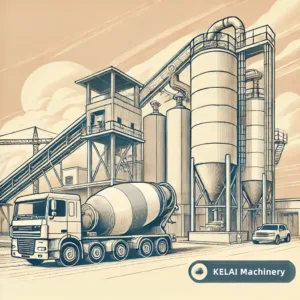
A Concrete Batching Plant is an industrial machine designed to produce concrete by accurately mixing various raw materials such as cement, aggregates (sand and gravel), water, and additives. The batching plant measures and combines these materials in precise proportions to ensure consistent concrete quality.
Concrete batching plants are widely used in:
- Large construction projects
- Infrastructure development
- Precast concrete factories
- Road and bridge construction
- Commercial and residential building projects
Main Components of Concrete Batching Plants
A typical concrete batching plant includes several key components:
1. Aggregate Batching System
This system stores and measures aggregates like sand and gravel. Accurate batching ensures the proper ratio required for concrete strength.
2. Cement Storage Silos
Cement silos store bulk cement and ensure a continuous supply during production.
3. Weighing System
The weighing system precisely measures cement, water, aggregates, and additives to maintain consistent mix quality.
4. Mixing System
The mixer combines all materials to produce uniform concrete. Common mixers include twin-shaft mixers, planetary mixers, and pan mixers.
5. Control System
Modern Concrete Batching Plants use automated control systems to monitor and manage the entire production process, improving efficiency and reducing human error.
Key Advantages of Concrete Batching Plants
Concrete batching plants provide numerous advantages for construction companies and precast manufacturers.
High Production Efficiency
A fully automated Concrete Batching Plant significantly increases production speed. Instead of manual mixing, automated batching ensures continuous concrete production, which is essential for large projects.
For example, modern batching plants can produce 25 m³ to 180 m³ of concrete per hour, depending on the plant configuration.
Consistent Concrete Quality
Quality control is critical in construction. Batching plants use precise measurement systems to ensure every batch of concrete meets required specifications.
This consistency improves:
- Structural strength
- Durability
- Safety of buildings and infrastructure
Reduced Labor Costs
Automation reduces the need for manual labor. A well-designed concrete batching plant can be operated by only a few technicians, which helps companies reduce operational costs.
Environmental Benefits
Modern batching plants are designed with environmental protection in mind. Features may include:
- Dust collection systems
- Wastewater recycling
- Low-noise operation
These features help construction companies comply with environmental regulations.
Flexibility in Concrete Production
Concrete batching plants can produce different types of concrete mixtures, including:
- Standard concrete
- High-strength concrete
- Self-compacting concrete
- Precast concrete mixtures
This flexibility allows contractors to adapt to different project requirements.
Production Capacity of Concrete Batching Plants
The production capacity of a Concrete Batching Plant varies depending on the model and configuration.
Small Batching Plants
Production capacity: 25–50 m³/hour
Suitable for:
- Small construction projects
- Rural infrastructure projects
- Small precast factories
These plants are compact and easy to transport.
Medium Batching Plants
Production capacity: 60–90 m³/hour
Suitable for:
- Medium-sized commercial construction
- Highway projects
- Large residential developments
This type of plant offers a balance between productivity and cost.
Large Batching Plants
Production capacity: 120–180 m³/hour or more
Suitable for:
- Mega infrastructure projects
- Large-scale precast concrete factories
- Airports and highway construction
These plants provide continuous, high-volume concrete production.
Applications of Concrete Batching Plants
Concrete batching plants are essential equipment across many sectors of the construction industry.
Building Construction
Commercial buildings, residential complexes, and industrial facilities require large quantities of consistent concrete. Batching plants ensure reliable concrete supply throughout the project.
Infrastructure Projects
Roads, bridges, tunnels, and airports depend heavily on concrete batching plants for continuous concrete production.
Precast Concrete Manufacturing
Precast factories require precise and consistent concrete mixes. Batching plants provide the control needed to produce:
- Precast wall panels
- Hollow core slabs
- Concrete beams
- Concrete columns
Ready-Mix Concrete Production
Many companies use Concrete Batching Plants to produce ready-mix concrete that can be transported directly to construction sites using mixer trucks.
Why Construction Companies Choose Concrete Batching Plants
With the increasing demand for faster and more reliable construction methods, many contractors are investing in concrete batching plants.
Improved Project Efficiency
Concrete batching plants allow companies to produce concrete on-site or near construction sites, reducing transportation delays and ensuring continuous supply.
Better Quality Control
Automated batching ensures that every batch of concrete meets design requirements. This reduces structural risks and improves overall project quality.
Cost Savings
Although the initial investment may be significant, batching plants help reduce long-term costs through:
- Reduced labor expenses
- Lower material waste
- Improved production efficiency
Scalability for Large Projects
For contractors working on infrastructure projects or large developments, batching plants provide the capacity needed to meet demanding schedules.
Choosing the Right Concrete Batching Plant
When selecting a Concrete Batching Plant, companies should consider several important factors.
Production Capacity
Choose a plant that matches the concrete demand of your projects.
Automation Level
Fully automated plants improve accuracy and reduce labor requirements.
Installation Space
Some batching plants require large installation areas, while compact models are designed for limited spaces.
Maintenance and Reliability
Reliable equipment reduces downtime and ensures consistent production.
Working with an experienced manufacturer is crucial to selecting the right equipment and receiving long-term technical support.
Conclusion
Concrete batching plants are essential equipment for modern construction and precast concrete production. They ensure consistent concrete quality, improve production efficiency, reduce labor costs, and support large-scale construction projects.
From small construction companies to large infrastructure contractors, the demand for reliable Concrete Batching Plants continues to grow worldwide.
If you are looking for high-quality concrete batching equipment, Henan Kelai Industrial Co., Ltd. provides professional solutions tailored to construction companies and precast manufacturers.
For more information about concrete batching plants and customized production solutions, please contact us.
WhatsApp: +86 17788171295
Our experienced engineering team is ready to help you choose the right equipment for your project.
FAQ: Concrete Batching Plants
1. What is the purpose of a concrete batching plant?
A concrete batching plant is used to produce concrete by precisely mixing cement, aggregates, water, and additives in controlled proportions to ensure consistent quality.
2. What is the typical production capacity of concrete batching plants?
Production capacity usually ranges from 25 m³/hour to 180 m³/hour, depending on the plant model and configuration.
3. Are concrete batching plants fully automated?
Many modern batching plants are fully automated, using advanced control systems to manage batching, mixing, and material handling processes.
4. Can concrete batching plants be used for precast production?
Yes. Concrete batching plants are widely used in precast factories to produce consistent concrete mixes for wall panels, slabs, beams, and other precast elements.
5. What factors should be considered when buying a concrete batching plant?
Important factors include production capacity, automation level, installation space, maintenance requirements, and the reliability of the manufacturer.
Professional Concrete Mixer Batching Plant Manufacturer | Kelai Machinery